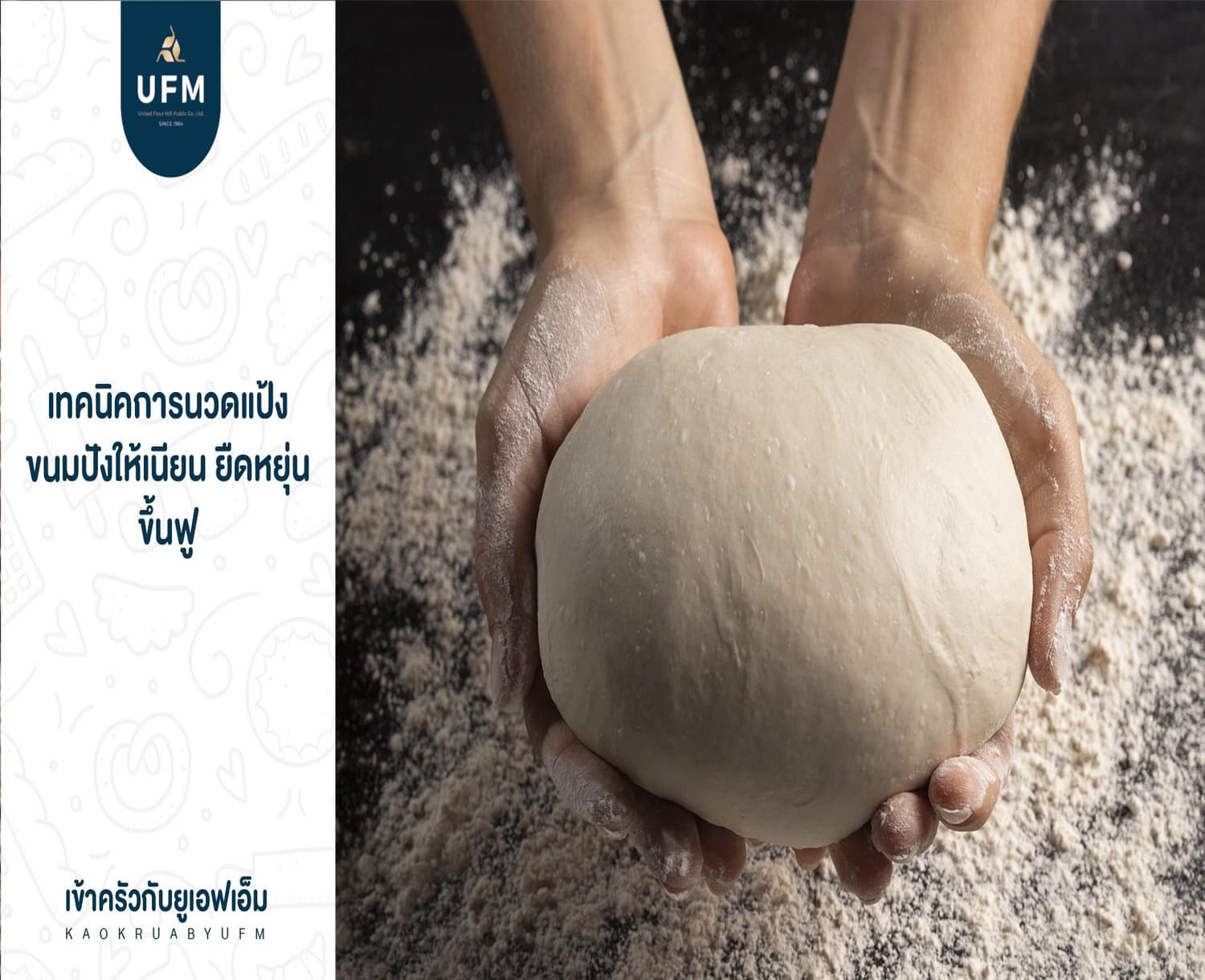
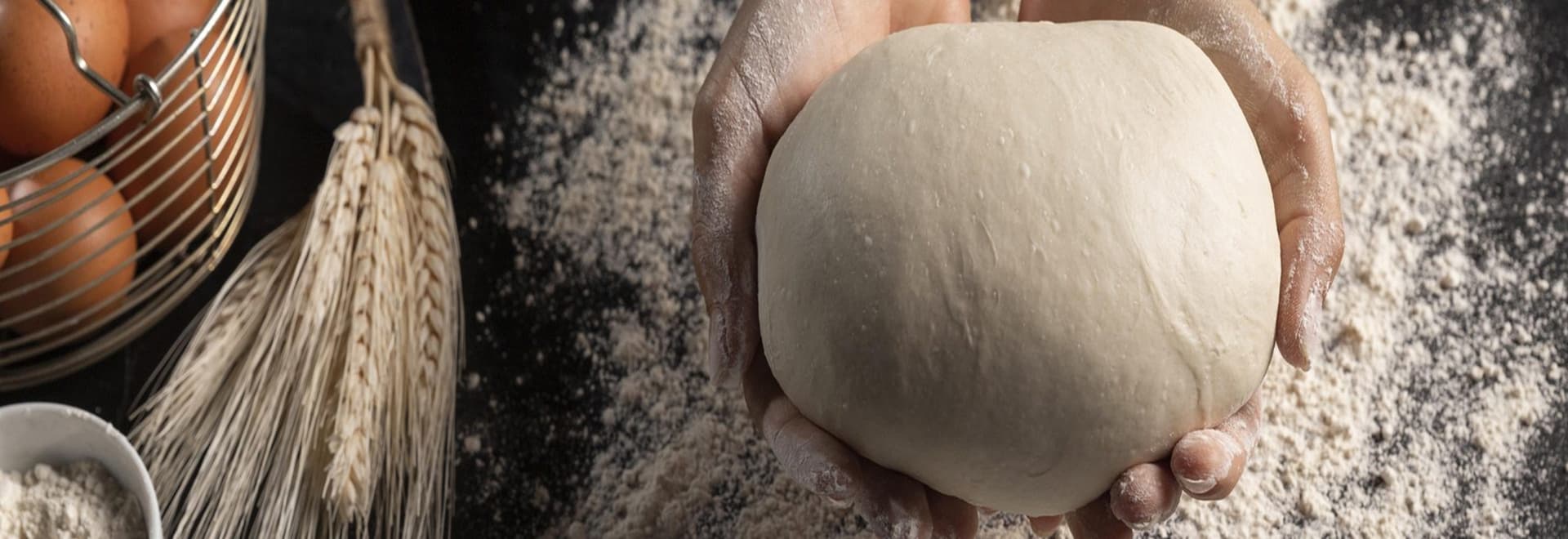


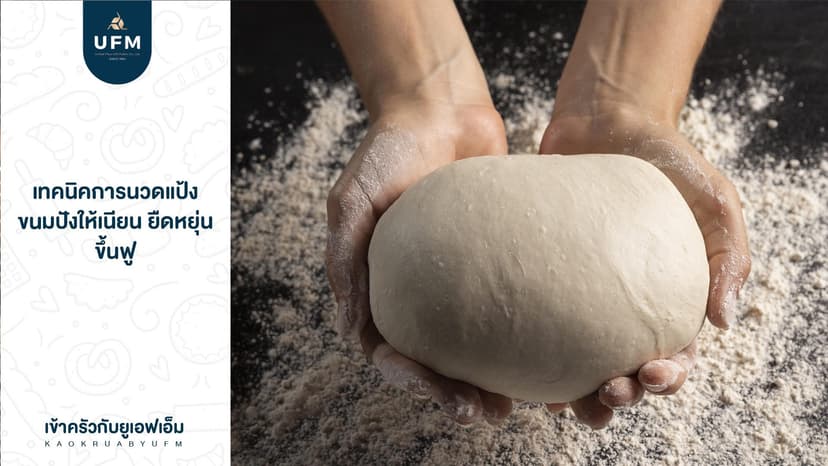
🥖✨ Techniques for Kneading Bread Dough: Smooth, Elastic & Perfectly Risen
🥖✨ Mastering Bread Kneading — Smooth, Elastic & Perfectly Risen Dough
Kneading plays a crucial role in bread making. It determines whether your bread will come out soft, fluffy, elastic, and delicious. However, many home bakers face common challenges such as sticky dough, difficulty forming the gluten network, or dough that doesn’t rise properly.
Today, we’re sharing easy and practical kneading techniques to help you achieve bakery-quality results at home!
🧰 Tools & Ingredients
Large mixing bowl or stand mixer
UFM White Swan Bread Flour
Water
Salt
Yeast
Rice bran oil (or butter)
👩🍳 Step-by-Step Kneading Process
1️⃣ Mix Dry Ingredients
Add UFM White Swan Bread Flour and yeast into the mixing bowl. Stir gently to combine.
2️⃣ Add Liquid Ingredients
Mix water and salt together, then pour into the bowl. Knead until no dry flour remains.
3️⃣ Add Fat
Add rice bran oil or butter. Continue kneading for 15–20 minutes (time varies depending on dough size).
The dough should become smooth, elastic, and able to stretch into a thin film.
4️⃣ First Rest (Bulk Fermentation)
Lightly coat the dough with oil to prevent sticking. Cover with a damp cloth and let it rest at room temperature for about 1 hour, or until doubled in size.
5️⃣ Degas the Dough
Gently punch or press the dough to release trapped gas.
6️⃣ Shape the Dough
Divide into equal portions and shape according to your recipe (loaf, rolls, buns, etc.).
7️⃣ Second Proofing
Place shaped dough onto a baking tray. Cover with plastic wrap and a cloth. Rest for another 30 minutes or until noticeably risen.
8️⃣ Bake
Bake at 180°C for 20–30 minutes, or until the bread is golden brown (baking time may vary based on dough size).

🧡 Tips for Perfect Dough
✔ Be patient — kneading takes time. Allow 15–20 minutes depending on dough size.
✔ Use cold water — helps control yeast activity and prevents the dough from fermenting too quickly.
✔ Punch down after rising — helps remove excess gas and improves texture.
✔ Rest the dough properly — resting allows gluten to relax, resulting in softer and more elastic bread.
📌 Additional Notes
Water absorption may vary depending on flour type. Test and adjust gradually to achieve desired dough consistency.
Warm room environments help dough rise faster — but may shorten shaping time.
To check doneness, observe color, size, and baking duration.
✨ Try applying these techniques the next time you bake — you’ll notice smoother dough, better elasticity, and beautifully risen loaves every time.
A helpful lesson from UFM Baking & Cooking School 🧁👩🍳